
Insights for Every VvE Member
Explore practical guides, tips, and news for Dutch homeowner associations, written to help you self-manage with confidence.
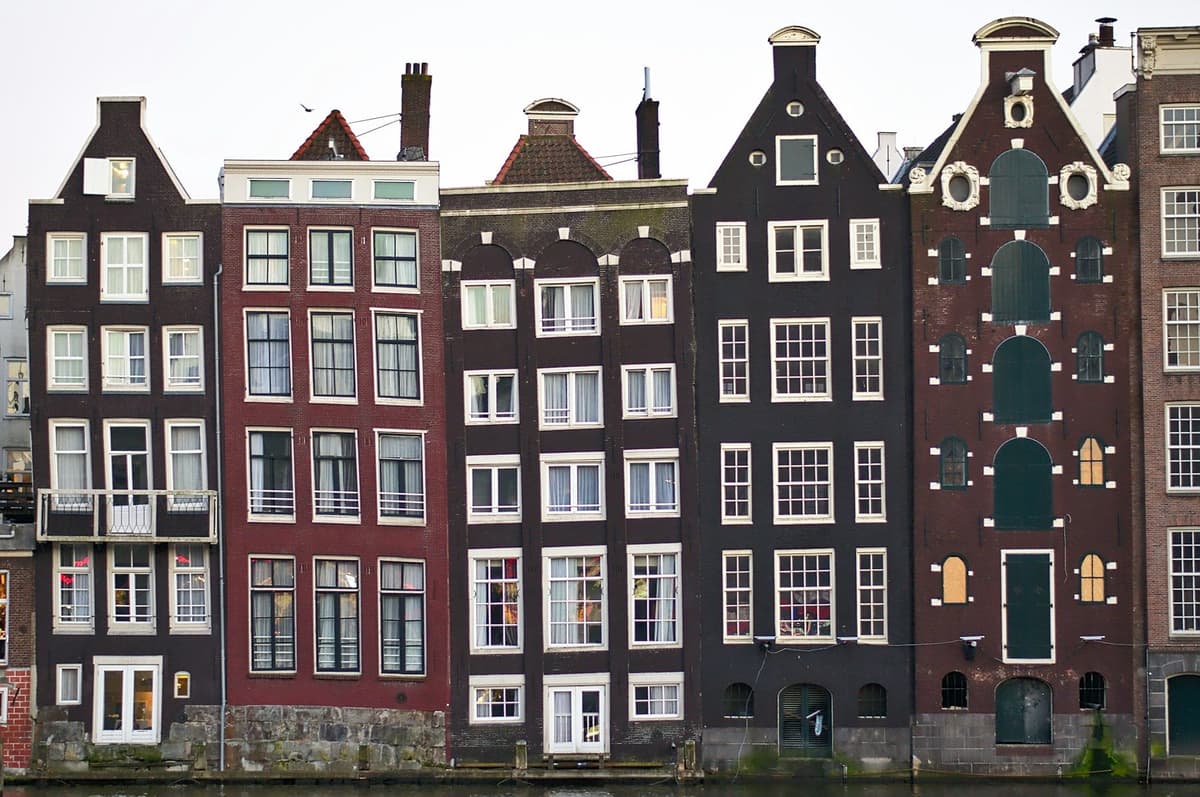
What does VvE management really cost in 2026? Fees, hidden extras and what you could save
What does a VvE management company charge per apartment, which extras come on top, how satisfied are owners and what could the difference pay for? A fair overview with sources.

VvE meeting notice: deadlines, required documents and a sample letter
How many days in advance do you call a VvE meeting, what must the notice contain and can you send it by email? With a worked example and a sample letter for the annual meeting.

Quorum and majorities in a VvE: simple majority, two thirds and the second meeting
When is a VvE decision valid? The difference between quorum and majority, when two thirds or four fifths is required and how the second meeting works, with worked examples.

A VvE with two apartments: how to handle it, even when you disagree
Even a building with two apartments has a full VvE, with KVK registration, a reserve fund, insurance and a board. Here is how to arrange it, and how to get out of a deadlock.

Digital VvE meetings: what is allowed from 1 January 2027?
From 1 January 2027, the board or chair may decide that the owners' meeting is held fully online or in a hybrid format. What does the new law require, what applies until then, and how do you organise it well?

How to Structure a VvE Annual General Meeting (AGM) Agenda
Organizing your VvE’s Annual General Meeting (AGM) for the first time? Dutch law requires every VvE to hold one each year, but knowing what belongs on the agenda can be confusing. This guide walks you through the standard structure step by step, from opening and quorum to approving the accounts, budget, maintenance plans, and board appointments. It also explains which items are legally required and which are optional.

How to Activate a Dormant VvE: Step-by-Step Guide
Is your VvE “asleep” and not doing meetings, budgets, or insurance? Dutch law requires an active homeowners’ association. This simple step-by-step guide shows you how to reactivate your dormant VvE, from electing a board and registering at the KvK to opening a bank account, setting up insurance, and creating a reserve fund.

Do You Pay Tax on the VvE Reserve Fund? Here’s How It Works
Every VvE in the Netherlands must have a reserve fund. What many owners don’t know: your share of this fund counts as part of your wealth in Box 3. Here’s how to calculate your share and report it correctly.

How Much Must Your VvE Save? Reserve Fund, MJOP, and the 0.5% Rule Explained
Every VvE in the Netherlands must have a reserve fund for major maintenance. Small VvE’s often wonder how much they really need to save. This guide explains the legal rules: save with an MJOP, or at least 0.5% of rebuild value each year.

VvE Fees Explained: What’s a “Normal” Contribution?
Wondering if your VvE contribution (VvE-bijdrage) is too high? In this guide we explain what a “normal” monthly fee looks like in the Netherlands, why costs are rising, and how much your VvE is legally required to save for future maintenance.

How to run a VvE successfully?
 Buur Ben• 14 Jul 2025

Why is a VvE important?
Buur Ben• 14 Jul 2025
Different ways to manage a VvE
Buur Ben• 14 Jul 2025
VvE, where to start?
Buur Ben• 14 Jul 2025
What is a VvE?
The VvE (Vereniging van Eigenaars, or Owners' Association) is the governing body for an apartment complex in the Netherlands. If you own an apartment, you automatically become a member.
Buur Ben• 24 Jun 2025